





Bongani Mlambo elige Zeiss LWZ.3 y CP.3 para su película de ciencia ficción ‘We’re All Gonna Die’
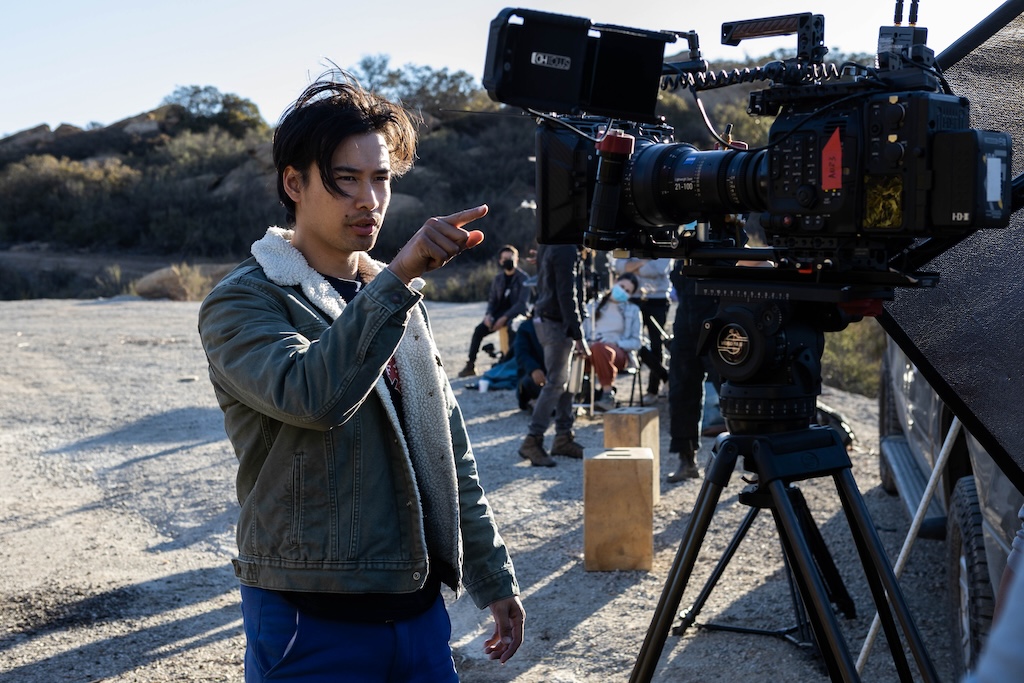
Cuando los cineastas Freddie Wong y Matt Arnold hablaron con Bongani Mlambo sobre su nueva película, ‘We’re All Gonna Die’, el director de fotografía zimbabuense sabía que sería un proyecto especial para el que emplearía cámaras Canon y objetivos Zeiss Lightweight Zoom y CP.3, añadiendo además un diopter Zeiss a algunas secuencias para reforzar la humanidad íntima de la película.
La película, que más tarde se estrenaría en el Festival de Cine South by Southwest de 2024, aborda temas como el dolor, la supervivencia y la conexión en un mundo posterior a la calamidad a gran escala provocada por la aparición de un pico alienígena gigante.
We’re All Gonna Die, como sugiere su irónico título, es a la vez una analogía humorística y sensible de la era moderna, en la que la catástrofe global se cierne siempre sobre la monotonía de lo cotidiano. En lugar del cambio climático, la fatalidad de la película, a menudo literalmente en el horizonte, es un gigantesco pico alienígena que provoca desastres impredecibles y de tamaño moderado en todo el planeta. Los protagonistas, el paramédico Kai (Jordan Rodrigues) y la apicultora Thalia (Ashly Burch), se unen cuando la espiga teletransporta sus pertenencias por varios estados. La improbable pareja emprende un viaje por carretera a través del bellamente capturado Oeste americano para reclamar sus cosas.
Mlambo llamó la atención del productor ejecutivo de We’re All Gonna Die, Ashim Ahuja, tras participar en el Project Involve de Film Independent. Los directores Freddie Wong (Rocket Jump) y Matt Arnold buscaban un director de fotografía capaz de equilibrar las restricciones prácticas sin perder de vista la intención creativa.
Mlambo recuerda que “mientras hablábamos de su visión creativa de la película, Freddie me preguntó qué opinaba de rodar con una C300″ Al parecer, era la pregunta que rompía el acuerdo, pero le dije que tenía sentido por la forma en que íbamos a trabajar con un equipo muy reducido”. Su disposición a adoptar un enfoque de producción ágil y su rápida comprensión de sus sensibilidades creativas impresionaron al dúo.
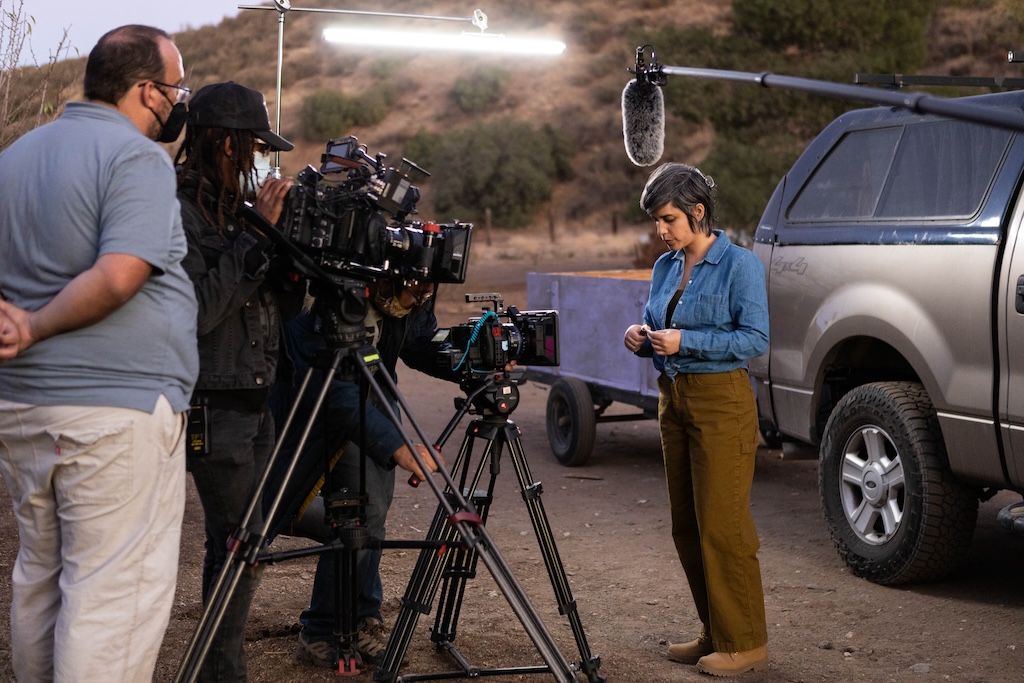
Con el equipo definitivo, los cineastas se lanzaron a una cuidada preproducción. Decidieron utilizar dos cámaras, una Canon 300 Mark III con cuerpo de cámara A y una Canon C70 con cuerpo de cámara B. “La C300 tiene una gran autonomía de batería y es muy fácil de usar. “La C300 tiene una gran autonomía”, explica Mlambo. “Estuvimos mucho tiempo en la carretera, así que tuvimos que pensar dónde cargaríamos el material y cómo gestionaríamos los medios”.
En cuanto a los objetivos, el equipo optó por el Zeiss Lightweight Zoom LWZ.3 21-100mm con Zeiss CP.3s priorizando un conjunto que fuera cinematográfico pero que también pudiera soportar diversas condiciones en exteriores sin ralentizar la producción. Mlambo explica el flujo de trabajo: “Acabamos rodando mucho con el zoom debido a lo rápido que teníamos que movernos. Tenía el objetivo LWZ.3 en la C300 para intentar conseguir la mayor cobertura posible. Mientras tanto, la C70 utilizaba sobre todo los objetivos de focal fija”.
La producción llevó literalmente a los cineastas por la carretera, con gran parte de la película rodada en zonas no incorporadas de Utah. Enfrentados a cambios drásticos de temperatura en el desierto, y lejos de refugios o fuentes de energía fiables, la durabilidad de la cámara fue esencial para que el rodaje funcionara. Luchando por mantener la luz natural constante a lo largo de una secuencia, tanto Mlambo como el director Wong cruzaban escenas con frecuencia. “La LWZ.3 nos sorprendió más que nada; corta a la perfección con las CP.3. Tener una cámara ligera y con un zoom ligero nos ayudó mucho a lo largo de la producción”.
Un color muy particular
La película muestra un color muy particular, rico en rojos y azules que remiten a pintores de paisajes icónicos de la década de 1900, incluido Maggiori, citado como una de las referencias del cineasta. Mlambo consiguió este look con un uso cuidadoso de filtros apilados, como Glimmer Glass y Black Diffusion FX. “Empecé a utilizar esa pila porque, aunque me gusta el Hollywood Black Magic, ese filtro a veces puede crear ese gran halo en fuentes puntuales, lo que no siempre es deseable. Quería encontrar alguna otra combinación que mantuviera el contraste, suavizara la resolución y las líneas finas, pero que aún me diera algo de halación. Tener flexibilidad para estirar las miradas en distintas direcciones a partir de una base sólida sólo era posible gracias a las lentes ZEISS”.
Mlambo añadió un diopter de Zeiss para algunas de las escenas de mayor carga emocional de la película, incluyendo a Thalia con su urticaria y el dramático clímax del tercer acto dentro del pico. La dioptría acerca a las abejas de Thalia al macro, convirtiendo a estos insectos peludos en personajes cálidos y reconfortantes. En el extremo opuesto del espectro cálido y difuso, el mismo dioptrio crea un efecto “alienante” cuando Kia y Thalia quedan atrapadas en el interior de la espiga alienígena. “Tenemos toda una secuencia en la película en la que el pico está cerca y su proximidad altera la luz, y empiezas a imaginar que la gravedad y todas esas fuerzas se ven afectadas. Ahí jugamos con las dioptrías, acercándonos mucho a las caras de los actores o poniéndolas en distintos ángulos para que distorsionaran el plano visual”.
Did you like this article?
Subscribe to our NEWSLETTER and you won't miss anything.
Related articles
 Días de Cine elige ‘La estrella azul’ como mejor película de 2024
 Alfonso Cortés-Cavanillas rueda ‘Luna’, largometraje intimista de ciencia ficción
 ‘Cuántica Rave’, el musical de ciencia ficción de La Zanfoña, inicia nueva fase de rodaje sobre maquetas
 El thriller de ciencia-ficción ‘3 Billion’, rodado con ópticas, cámaras y proyectores Fujifilm
 Trick Digital builds the VFX of the science fiction feature film '57 Seconds' with Fusion Studio
 Starzplay encara la fase final de ‘El Refugio’, su primer original de ciencia ficción
 Zeiss CinCraft Mapper: un servicio que proporciona datos de distorsión de lente y sombreados para abordar los VFX
 Nace STEAMBites, la nueva plataforma formativa online en Ciencia y Tecnología para jóvenes
 La serie de ciencia ficción alemana ‘Spides’ emplea DaVinci Resolve Studio en su postproducción
 El Festival de Cine de Tribeca estrena el corto de ciencia ficción ‘Zero’, filmado con Ursa Mini Pro de Blackmagic
 La Fundación Portuguesa para la Ciencia y la Tecnología integra una red Dante
 Thierry Donard elige las cámaras 4K FS7 II y FS5 II de Sony para grabar su nueva película ‘Magnetic’
 Playz amplía su apuesta por el transmedia y se adentra en la ciencia-ficción en sus nuevas series digitales
 Carl Zeiss presenta en NAB 2013 toda su cartera de objetivos para cámaras DSLR