





La transformación de Canal Sur, con Juande Mellado: “Sin televisiones públicas, el desarrollo del tejido audiovisual sería inexistente”
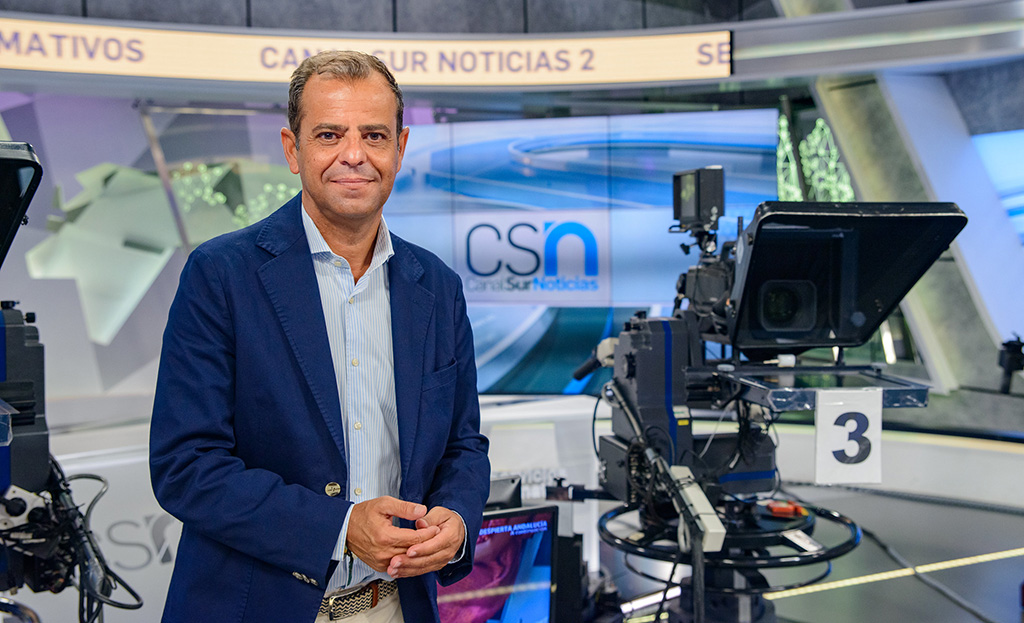
Juande Mellado, director general de RTVA, aborda en esta entrevista la última actualidad de Canal Sur, marcada por su transformación digital y el proyecto de renovación tecnológica más ambicioso de su historia.
Las televisiones autonómicas públicas de España se encuentran en un momento crucial. Un contexto audiovisual en constante cambio, cada vez más agresivo por el músculo de los grandes competidores privados y la consolidación de las plataformas de vídeo bajo demanda, llevan a todas estas organizaciones a plantearse cuál debe ser su siguiente paso. Mantener su labor de servicio público está fuera de toda duda; la cuestión, más bien, vira hacia cómo seguir siendo imprescindible para su audiencia (la consolidada y la nueva), manteniendo así su relevancia entre la sociedad.
The Radio y Televisión de Andalucía (RTVA), Canal Sur para la inmensa totalidad del público andaluz, se enfrentó ante el precipicio que indica un cambio de modelo radical en el año 2019. La llegada de Juande Mellado a la presidencia del ente llegó en un momento en el que la insostenibilidad del modelo se hacía evidente. La radiotelevisión debía modificar su ADN para poder seguir siendo de utilidad, en un momento en el que algunas voces políticas censuraban la propia existencia del medio y la sociedad, ante el calor del consumo en sus móviles y tabletas, miraba con nostalgia pero sin apego un televisor que se aprendía sus líneas como actor secundario.
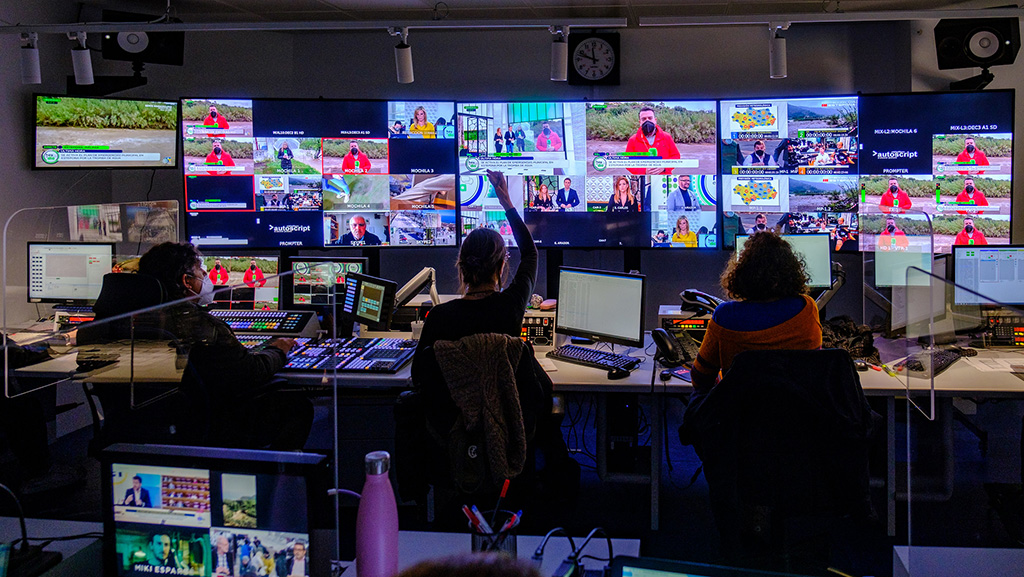
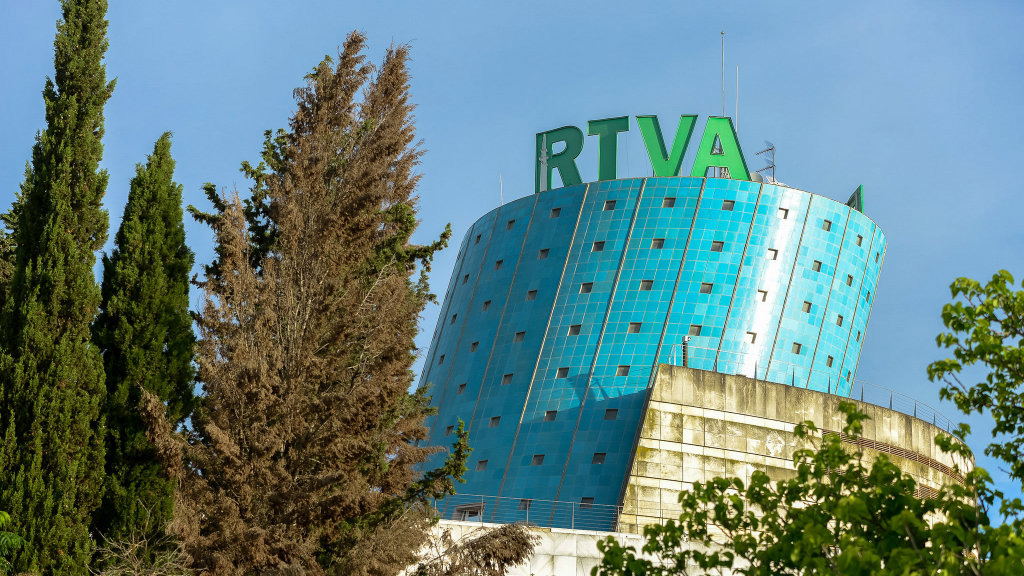 Los cambios no se han hecho esperar. Canal Sur está acometiendo una profunda transformación digital que abarca procesos, mentalidades y tecnologías. La obsolescencia de la televisión era insostenible y, por ello, se han invertido grandes sumas para poner al día a la televisión. La ingeniería no queda en racks, controles y cámaras, sino que también alcanza desarrollos inéditos como CanalSur Más, una plataforma de consumo bajo demanda que aspira, en su ambición, a aglutinar la totalidad del patrimonio audiovisual andaluz. En paralelo, nuevos modelos económicos and a enfoque en la información de proximidad permiten ver brotes que parece indicar, al menos, que se camina en una dirección concreta.
Sobre la mesa, en su hoy y mañana, Canal Sur cuenta con decenas de hitos que conquistar. Juande Mellado, presidente de RTVA, permite conocer de primera mano los últimos logros de la televisión, los cuales incluyen la mayor inversión en tecnología of the dos últimas décadas.
Seis ejes de transformación
Tres años después de asumir la dirección general de Canal Sur Televisión y Radio, ¿qué balance hace de este periodo?
El balance es notable. La empresa ha experimentado una transformación digital y la ha extendido a todas sus direcciones y capas. El segundo punto en el que hemos trabajado ha sido en el área de la renovación tecnológica. En el año 2018, según un informe de la Cámara de Cuentas de Andalucía, la compañía estaba en una situación de obsolescencia que hacía que no fuera competitiva en un mercado cambiante y que evoluciona de forma tan rápida. A consecuencia de ello, en tres años se han destinado más de 20 millones de euros a la renovación tecnológica, la cual era muy necesaria tanto en los centros territoriales como en San Juan de Aznalfarache.
The televisión y radio hoy se consume de otra forma. Ya nadie se sienta en casa a ver una película at once de la noche, o a ver un informativo a las ocho y media.
El tercer objetivo era intentar hacer una programación más acorde a la Andalucía del siglo XXI: un cambio respaldado, ya que nuestra audiencia ha crecido en el último año. El cuarto pilar ha pasado por cambiar la política de ingresos. Canal Sur necesitaba un plan 360º para generar más ingresos teniendo en cuenta que somos el principal medio de comunicación audiovisual de Andalucía.
Al margen de estas apuestas, ¿identificó otros desafíos a comienzo de este periodo que estén siendo abordados actualmente?
Nos faltan otros dos pilares. Por un lado, Canal Sur requería de un plan estratégico que marcara el horizonte de lo que debía ser durante los próximos diez años. Los propios trabajadores de la casa elaboraron el Plan Estratégico 2021-2026, en el que se marcan nuestros ejes y objetivos, los cuales van en la línea de los cuatro puntos comentados. Por otro, se ha emprendido un proyecto estratégico fundamental que iniciamos en el año 2020: situar a Canal Sur en los nuevos hábitos de consumo. La televisión y radio hoy se consume de otra forma. Ya nadie se sienta en casa a ver una película a las once de la noche, o a ver un informativo a las ocho y media. Al contrario, consumen los productos televisivos y la radio cuando quieren y como quieren en sus dispositivos de preferencia. Por eso, lanzamos el proyecto CanalSur Más, una plataforma de consumo bajo demanda que en sus ocho meses de vida nos está dando muchísimas alegrías.
El valor que lo público aporta al audiovisual
Durante los últimos años, se ha redoblado la puesta en entredicho de las televisiones públicas autonómicas desde el plano político, conversación que inevitablemente acaba extendiéndose al plano social. ¿Son, en términos generales, críticas fundadas?
La televisión pública, y no solo Canal Sur, sino también RTVE y otras televisiones autonómicas, son bienes necesarios como servicios públicos. Si Canal Sur no existiera, la realidad andaluza se contaría a través de otros ojos, los cuales a lo mejor tendrían otros intereses más comerciales que el de vertebrar y defender los valores y la idiosincrasia cultural, gastronómica o turística de Andalucía. Si Canal Sur no existiera, ningún medio de comunicación pondría un pie en municipios de 400 habitantes para trasladar lo que está sucediendo allí.
Creo que las televisiones públicas viven un momento dulce en esta eclosión en la que se está fragmentando el consumo audiovisual de forma global. Su valor de cercanía hace ahora tengan mucho más arraigo y fortaleza.
¿Se están invirtiendo los recursos necesarios por parte de las televisiones autonómicas o las propias administraciones para poner en valor la labor de televisiones como Canal Sur?
Diría que sí. Cada televisión autonómica y cada organismo en su comunidad está haciendo un trabajo de pedagogía para explicar a la ciudadanía la utilidad de este servicio público. Hay un dato que merece la pena reseñar: más allá del servicio público de información, entretenimiento y divulgación, sin las televisiones públicas, el desarrollo del tejido audiovisual de cada comunidad sería inexistente. Nosotros somos el motor de esas pequeñas productoras, empresas de services y compañías de suministros; sin la inyección económica que realizan las televisiones autonómicas, difícilmente podrían existir y podrían crecer para competir en este escenario.
Cualquier euro que parte de un presupuesto de una televisión autonómica pública genera un doble valor: se presta un servicio público de información y divulgación de la información por nuestros medios, pero también se genera empleo y riqueza con esa producción.
El año pasado, en lo que se refiere a producción de programas, abarcando services, sonido, iluminación, cámaras, unidades móviles, productores, guionistas o realizadores, destinamos más de 40 millones de euros. Esto al final genera riqueza y, sobre todo, empleo joven, que en muchas ocasiones es el más cualificado. Siempre digo que cualquier euro que parte de un presupuesto de una televisión autonómica pública genera un doble valor: se presta un servicio público de información y divulgación de la información por nuestros medios, pero también se genera empleo y riqueza con esa producción.
Compitiendo en un contexto hostil
RTVA lleva años tratando de conseguir un balance de resultados positivos, aunando inversión, subvención e ingresos publicitarios. ¿Una radiotelevisión con un marcado objetivo de servicio público debe tratar de conseguir ser una empresa rentable que mire cara a cara a competidores privados, ya sean nacionales o autonómicos?
Aquí se da una paradoja. Las televisiones autonómicas públicas somos un servicio público con todas las limitaciones que ello implica, pero tenemos que operar en un mercado privado. Por ejemplo, a nivel de contenidos, ni queremos ni vamos a hacer contenidos que se suponen que dan más audiencias, bien porque sean frívolos o porque tengan un tono que no entran en cualquier televisión autonómica pública.
Es complejo enfrentarnos a los presupuestos que tienen para la producción de programas Mediaset o Atresmedia y ver cómo este duopolio canibaliza los ingresos publicitarios.
Otro tema que considerar es que competimos en un mercado con multinacionales. Es complejo enfrentarnos a los presupuestos que tienen para la producción de programas Mediaset o Atresmedia y ver cómo este duopolio canibaliza los ingresos publicitarios. Aun así, los niveles de audiencia que estamos dando las televisiones autonómicas de FORTA son óptimos y están creciendo, con lo cual se atisba que el valor de cercanía y proximidad está cobrando fuerza frente a este mercado globalizado. A nivel de ingresos, estamos creciendo con nuestra nueva comercializadora en dos dígitos, un 25,6%, cuando el mercado está creciendo por debajo del 5%.
Creo que las televisiones públicas estamos en un momento dulce que tenemos que aprovechar. Cada vez se nota más nuestro valor de servicio público, pero no hay que ignorar el mercado en el que competimos.
La mayor inversión tecnológica de las últimas dos décadas
Como ha comentado, Canal Sur se encuentra sumida en un importante progreso de transformación digital. ¿Por qué era tan importante acometer este proyecto?
En una empresa de las dimensiones de Canal Sur había que cambiar la cultura de trabajo interno y aplicar criterios de transformación digital. Este término no significa cambiar solamente una red de ordenadores o instalar un nuevo sistema operativo, sino cambiar la cultura del trabajo para que las nuevas tecnologías permitan conformar una empresa más eficiente, eficaz y moderna. Aborda distintos aspectos: desde instalar un cuadro de mando, donde se clarifiquen los objetivos para cumplir con nuestro servicio público, como cambiar los flujos de trabajo en distintas áreas. Es una cultura necesaria que tiene muchos beneficios e implica, en paralelo, una renovación tecnológica.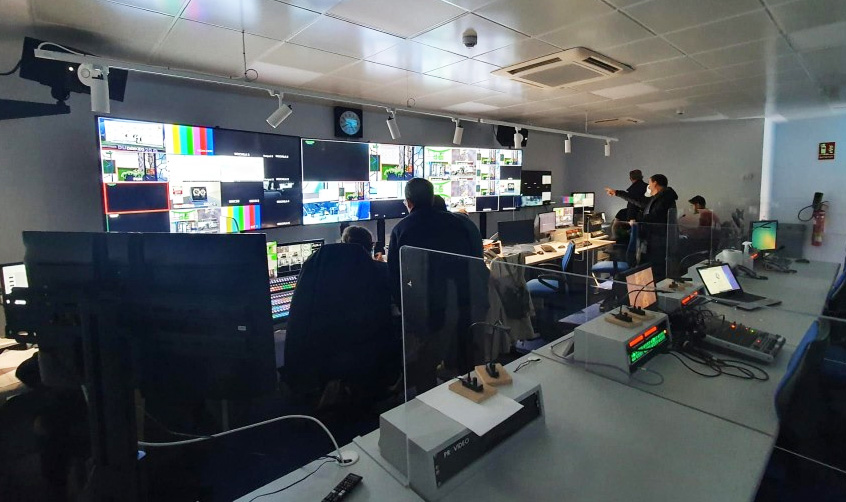
Canal Sur cuenta con una de las redes de centros territoriales y de producción más amplias entre las televisiones españolas. ¿Cómo se acomete el mantenimiento, renovación y puesta al día de todos estos centros? ¿Se corre el riesgo de que algunos de ellos queden desactualizado debido a la inversión que requiere su mantenimiento?
Canal Sur da cobertura territorial a una de las comunidades más amplias que hay en España. En términos de población y extensión geográfica, es mayor que Portugal y que otros 14 países de la Unión Europea. Con lo cual, es lógico que Canal Sur tenga un centro territorial en cada provincia, más si tenemos en cuenta ese valor de cercanía y proximidad. Tenemos que estar presentes en estos territorios para dar respuesta a la problemática que se presenta en cada provincia.
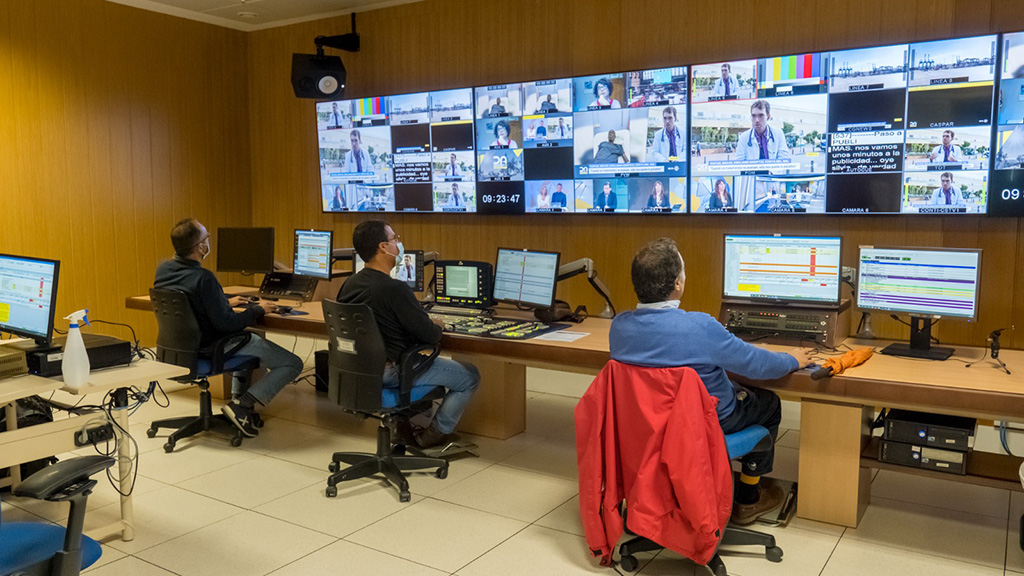
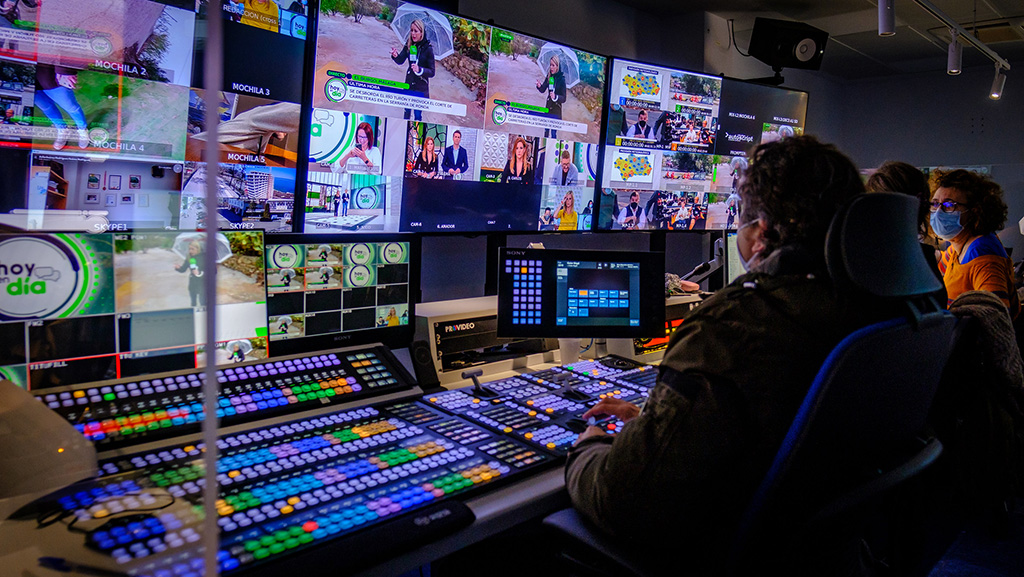
En cuanto a la renovación tecnológica, se ha hecho un esfuerzo muy importante en la renovación de los centros territoriales. Era increíble que el centro de producción de Málaga no emitiera en alta definición en el año 2021, todo un anacronismo para una televisión que quiere competir en este nuevo escenario audiovisual. De hecho, recientemente se han cambiado y renovado todos los controles de los estudios de radio y televisión de los centros territoriales.
La nueva plataforma digital de edición, emisión y archivo (…) supone una inversión de 17,4 millones de euros, the mayor inversión en tecnología que ha acometido Canal Sur en las dos últimas décadas
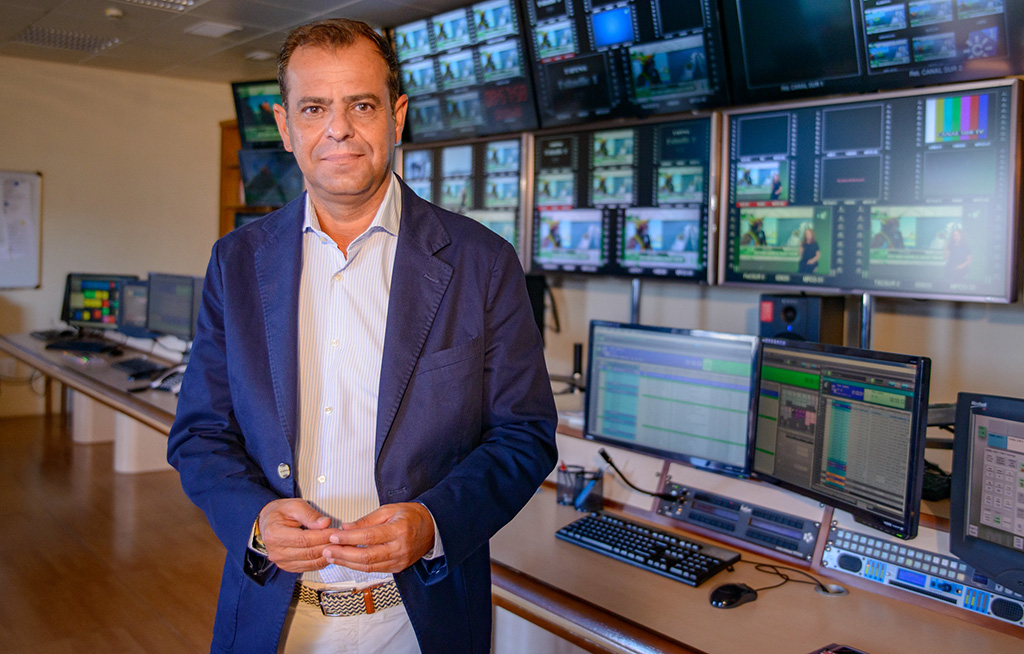
Ha sido un gran salto, pero el verdadero salto cualitativo va a llegar en enero, cuando se ponga en marcha la nueva plataforma digital de edición, emisión y archivo. Esta iniciativa supone una inversión de 17,4 millones de euros, la mayor inversión en tecnología que ha acometido Canal Sur en las dos últimas décadas. La instalación permitirá integrar todos los centros territoriales, incluida nuestra delegación de Madrid. Esta plataforma también nos va a dar la posibilidad de implantar nuevas funcionalidades as artificial intelligence, integración con redes sociales o incluso recopilación de metadatos para su uso futuro en estudios de big data.
En un momento en el que se apuesta por racionalizar los servicios públicos de radiodifusión, ¿se puede asegurar la continuidad de todos los centros territoriales y de producción de Canal Sur?
Canal Sur no se entendería sin los centros territoriales. Son su alma y su razón de ser.
Los grandes cambios: IP y modelo de contenidos
Entes como RTVE, Telemadrid o RTPA están iniciando su transición a la infraestructura IP. ¿RTVA acometerá esta evolución en su futuro cercano?
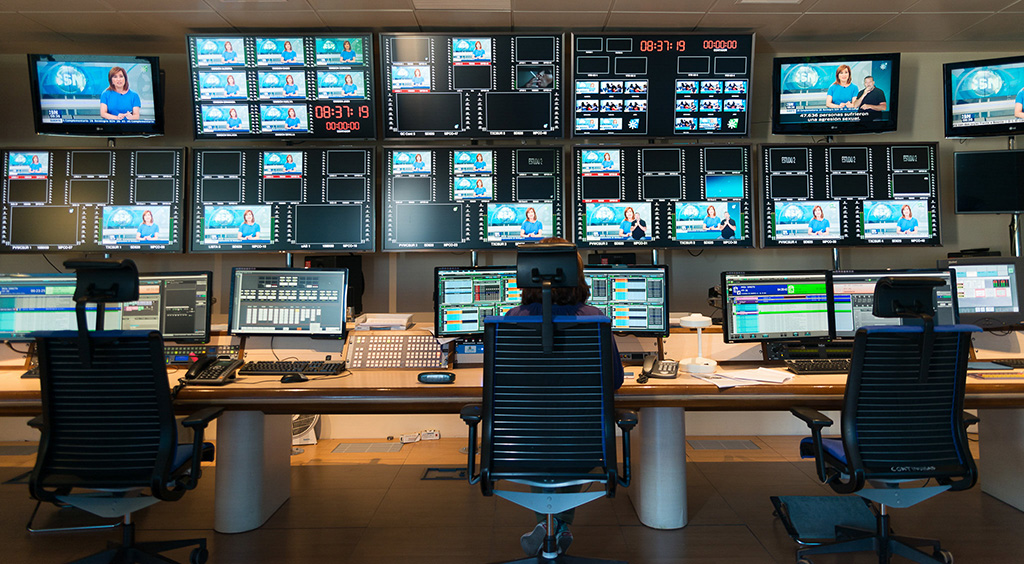
No se descarta. Ahora mismo, nuestro objetivo primordial, como te decía, es poner en marcha la nueva plataforma de edición, emisión y archivo, que nos va a permitir la ingesta, edición, postproducción, tratamiento de contenido y gestión del archivo documental para su uso de forma distribuida y colaborativa desde cualquiera de los centros territoriales de Canal Sur. Este es el mayor reto que tenemos en lo que se refiere a renovación tecnológica.
Diferentes voces del ecosistema mediático español apuntan que las televisiones deberán de cambiar su mentalidad y procesos para convertirse en generadores de contenidos en todas las plataformas. ¿Comparte esta visión?
El principal objetivo de Canal Sur es cumplir con su misión de servicio público, que tenemos encomendada por nuestra ley de creación. Pero, más allá de eso, somos conscientes de que el nuevo escenario audiovisual demanda otras cosas. Por ello, otro de nuestros objetivos más importantes es convertirnos en un proveedor global de contenidos.
Un objetivo importante es convertirnos en un proveedor global de contenidos.
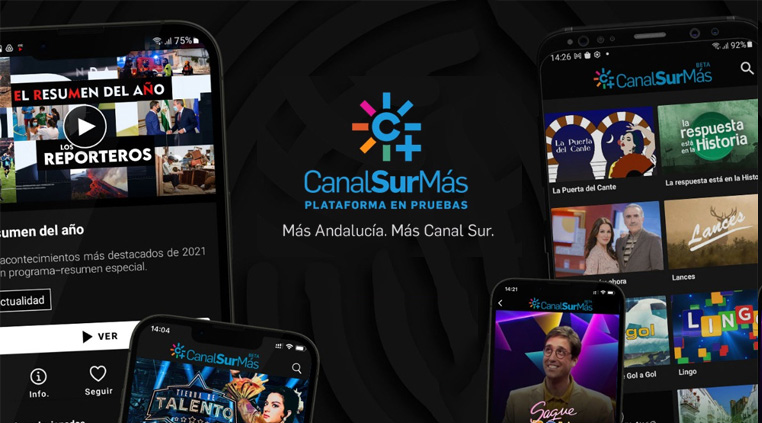
Queremos preparar a Canal Sur para competir en el nuevo escenario audiovisual. Creo que estamos camino de conseguirlo con nuestra plataforma CanalSur Más, que ya se ha situado según el último estudio de Sigma II en el puesto 17 de las OTT y plataformas de vídeo bajo demanda de España. Solo 8 meses después del lanzamiento, la OTT ha registrado 4,7 millones de sesiones, y más de un millón de usuarios únicos. Es una OTT que permite universalizar los contenidos de Canal Sur en todo el mundo para convertirnos en uno de los embajadores de la marca Andalucía para todo el mundo, lo que también permite que Canal Sur sea competitiva en este nuevo escenario audiovisual.
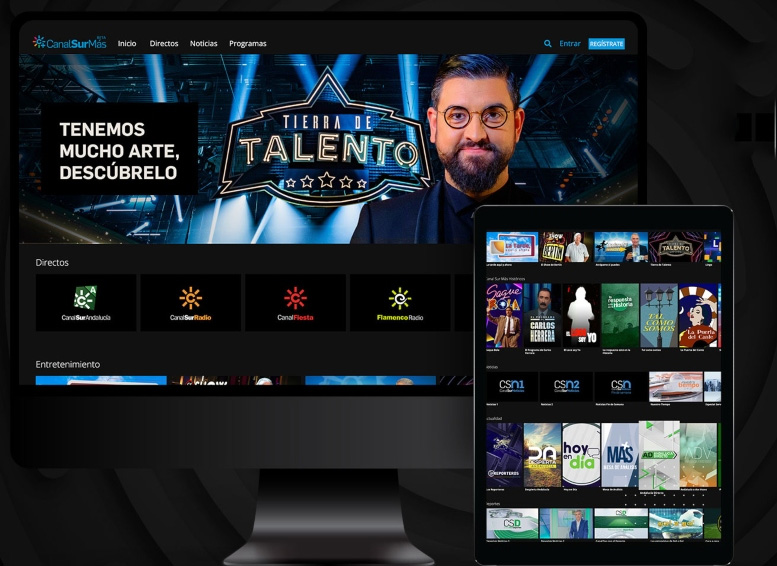
CanalSur Más, ventana al futuro
¿Imagina a CanalSur Más como una plataforma que, más allá de albergar el patrimonio audiovisual de Canal Sur, sirva para difundir la totalidad de las producciones audiovisuales que ha dado y sigue dando Andalucía?
Ese es un objetivo en el que ya estamos trabajando. Hemos creado la ventana perfecta para la difusión de la obra audiovisual de Andalucía. No tenía sentido que Canal Sur tuviera el patrimonio audiovisual de la historia reciente de Andalucía con auténticas joyas audiovisuales y que no se pudieran compartir con el público. Tras un trabajo de actualización de nuestra base de gestión de derechos and the aceleración del ritmo de digitalización de nuestro archivo, ahora mismo hemos puesto a disposición de los usuarios más de 558 categorías que reúnen 5825 assets, ¡Y todavía nos queda contenido por cargar!
Además, se están creando ventanas específicas para que todas las obras en las que ha participado Canal Sur tengan una segunda vida, convirtiéndonos de esta forma en una plataforma para los creadores andaluces. Cualquier creador que quiera que su obra se emita en CanalSur Más, previa negociación de los derechos, podrá hacerlo.
Por otro lado, CanalSur Más también nos permite superar el contexto de la televisión lineal. En Andalucía, la Semana Santa tiene una potencia increíble. Muchas capitales tienen unas semanas santas declaradas de interés histórico o turístico, pero solo podemos dar una en la televisión lineal. Sin embargo, esta semana santa hemos dado 14 señales a través de CanalSur Más. Con esta plataforma, se abre una ventana que multiplica el valor de servicio público y hace que el contenido se pueda consumir fuera de nuestras fronteras, de modo que también estamos proyectando la imagen de Andalucía y nuestros creadores fuera de la comunidad autónoma, lo que es muy importante.
 Canal Sur ha sido uno de los primeros entes de la FORTA en lanzarse a completar una plataforma de vídeo bajo demanda, si bien el resto de los miembros se encuentran en proceso de ello. ¿Por qué no se ha decidido acometer este proyecto de manera conjunta?
En cierta forma, se está haciendo. Canal Sur ha sido pionera entre todas las televisiones autonómicas en lanzarnos a la aventura de crear una plataforma de consumo bajo demanda. Todo el conocimiento y experiencia que hemos aprendido en esta travesía junto con la empresa Interactvty de Córdoba lo hemos puesto a disposición de todas las televisiones de la FORTA. Aquí han venido direcciones técnicas, e incluso nuestro director de innovación de Canal Sur Media se ha desplazado a otras comunidades para explicarles cómo ha sido la puesta en marcha de este proceso y sus complejidades para que pudieran acortar los plazos que hemos tenido que recorrer inicialmente.
In FORCE hay una colaboración continua en cuanto a proyectos, y también desde el punto de vista tecnológico. Existe una comunión perfecta de trabajo y colaboración para conseguir que las televisiones y las radios públicas que estamos en FORTA puedan compartir esa innovación y experiencia.
Un mañana inescrutable
¿Cómo visualiza la Canal Sur del futuro, una vez que se consoliden los hitos en los que se está trabajando actualmente, los cuales han sido abordados en esta conversación?
Si tuviera la respuesta a esta pregunta, contaría con una varita mágica o me habría caído en la marmita de Astérix y Obélix. Es complicado definir cuál será el escenario audiovisual del futuro. Hemos sido testigos de una explosión de las OTT como Netflix o Amazon que ha hecho que el 58% de los hogares pase a estar suscrito a una OTT, y ahora estamos viendo cómo se están replanteando su modelo de negocio. Este es un sector muy vivo y que evoluciona muy rápido.
Dentro de CanalSur Más, ya estamos trabajando para estar presentes en el metaverso. No sabemos a dónde nos llevará este proyecto, pero ya hemos tenido una primera experiencia. También estamos experimentando con programas transmedia a través de Twitch y con plataformas como TikTok. Debemos estar atento a estos y muchos otros cambios, trabajando con las luces largas para poder ser una organización competitiva.
Hay muchos cambios y, para acometerlos, es importante tener preparada tu organización tanto desde el punto de vista de la mentalidad de la transformación digital, como desde el prisma de los recursos para poder estar situados y poder competir en esta carrera. ¿A dónde nos llevará? Estamos viendo como grandes multinacionales también están cambiando sus planteamientos apostando por plataformas como Mitele Plus o Atresplayer Premium. Todos estamos estudiando por dónde va a ir nuestro futuro, que si bien es incierto, es apasionante a la vez.
Una entrevista de Sergio Julián Gómez
Did you like this article?
Subscribe to our NEWSLETTER and you won't miss anything.
Related articles
 La I Jornada FORTA Innova pone el foco en la transformación digital de las televisiones públicas autonómicas
 Input 2025: the future of public television is debated with the push of EITB
 Juande Mellado, director of RTVA, new president of FORTA
 El Congreso CIRCOM Regional analizará los desafíos de futuro en las televisiones públicas europeas
 Las televisiones públicas de Europa e Iberoamérica estrechan lazos en los Premios Quirino 2023
 Juande Mellado, re-elected general director of Radio and Television of Andalusia
 La FORTA identifica los principales desafíos a los que se enfrentan las televisiones públicas europeas
 Ukraine unifies all public and private news television under the same platform
 Pérez Tornero (RTVE): “El objetivo de las televisiones públicas europeas es defender nuestras democracias”
 Las grandes televisiones públicas europeas, ante el reto del coronavirus
 Televisiones públicas y privadas trasladan a Antonio Tajani su inquietud ante el papel de las plataformas online
 Desigual seguimiento de la huelga en las televisiones públicas y privadas
 Rajoy aboga por nuevos modelos de gestión en las televisiones públicas
 Televisiones públicas y privadas, de nuevo enfrentadas a cuenta de los derechos deportivos