





Twin Pines: the VFX factory, at the gates of the new and crucial stage of fiction
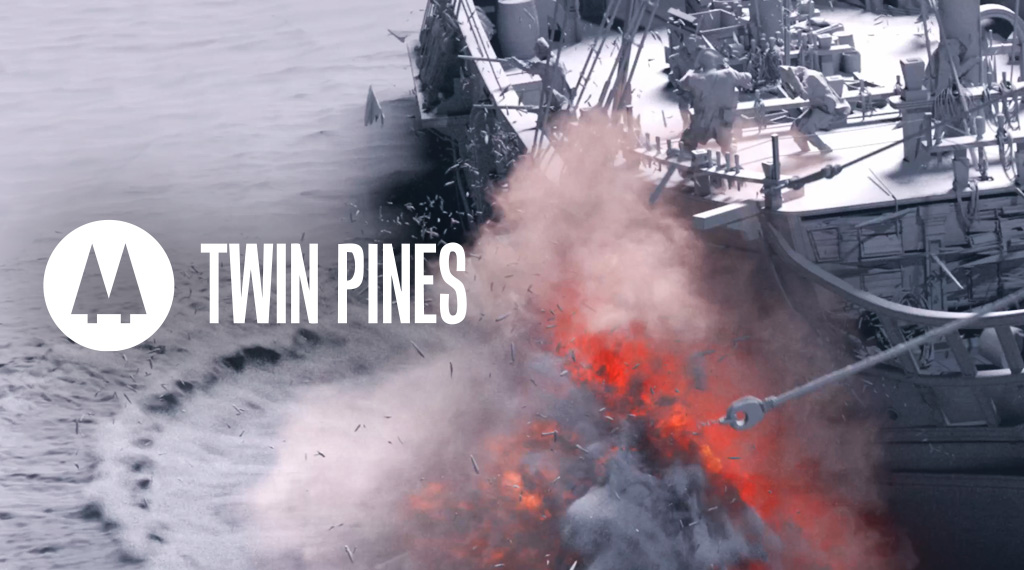

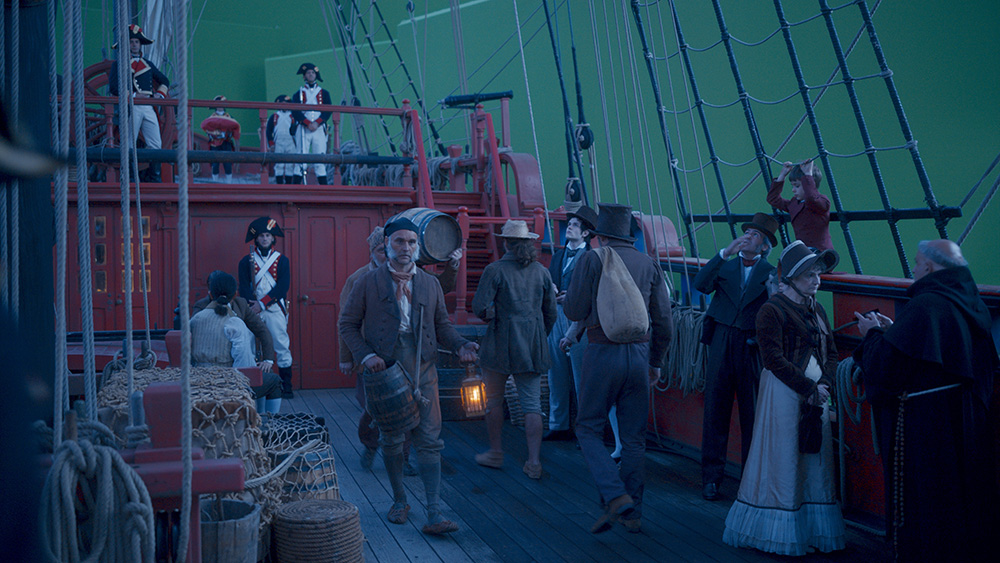
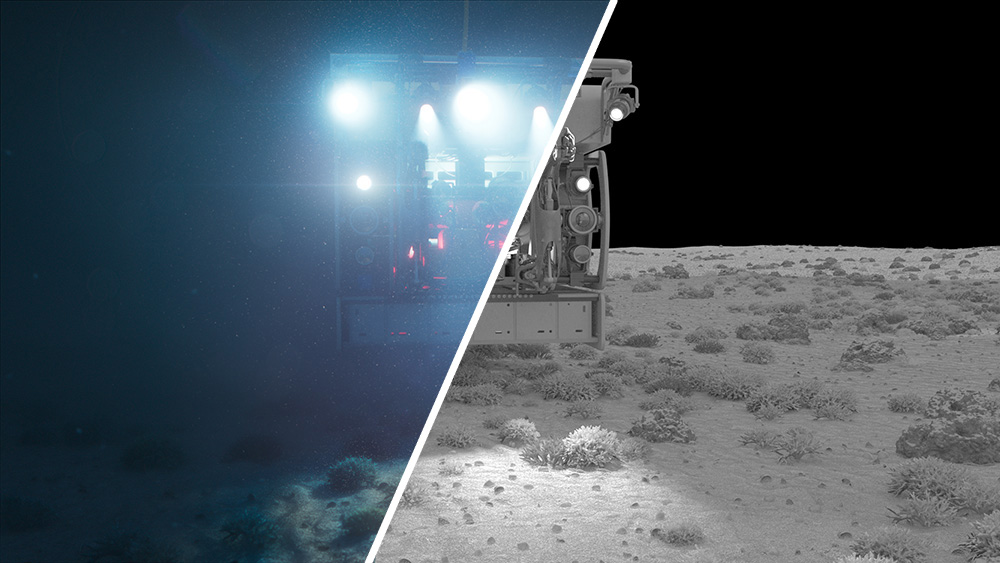
Juanma Nogales, cofundador, y Javier M. Pacín, supervisor de VFX / CGI, reflexionan sobre la industria de la postproducción y dan a conocer las claves de Twin Pines, casa especializada en VFX que en los últimos años ha participado en obras tan destacadas como ‘La sociedad de la nieve’, ‘Nowhere’, ‘Respira’, ‘Los Farad’, ‘Lady in the lake’, ‘Modelo 77’ o ‘As Bestas’ para productoras nacionales e internacionales.
En el ya lejano año 2008, año de nacimiento de Twin Pines, el panorama era “completamente diferente” para Juanma Nogales. La industria española de los VFX, alejada de la profesionalización de sus homólogas anglosajonas, enfrentaba sucesivos retos para garantizar su supervivencia brindando talento latente a la industria local.
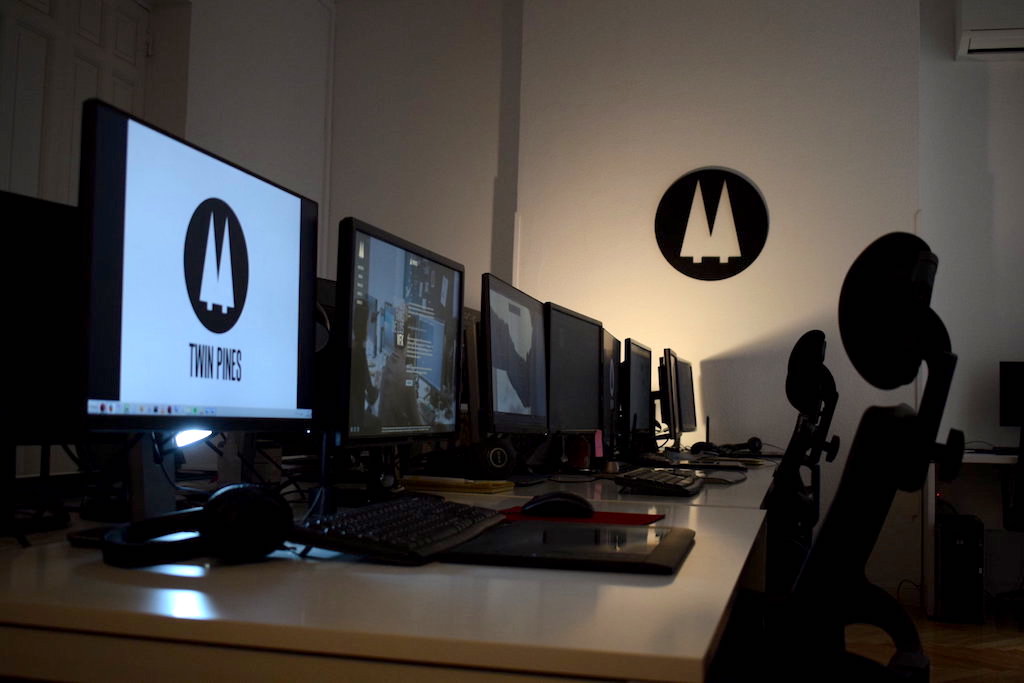
En este contexto, la compañía fundada por el propio Nogales junto con Ana Rubio dio sus primeros pasos con apenas tres máquinas y la visión de transformar los procesos habituales para otorgar el mejor acabado posible a sus clientes. En la actualidad, la empresa cuenta con 60 profesionales y unas amplias instalaciones en Madrid con todas las garantías necesarias para acometer proyectos de alcance mundial.
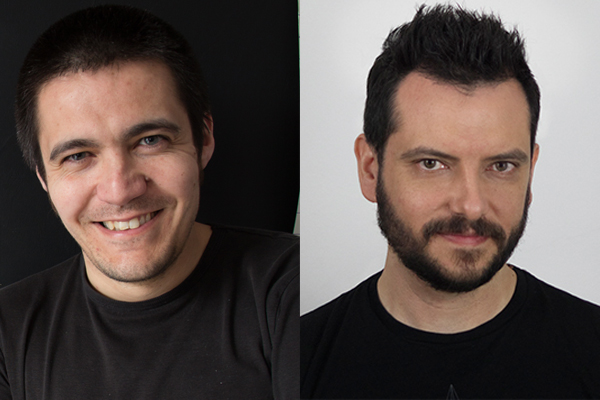
Juanma Nogales (izq.) y Javier M. Pacín (der.)
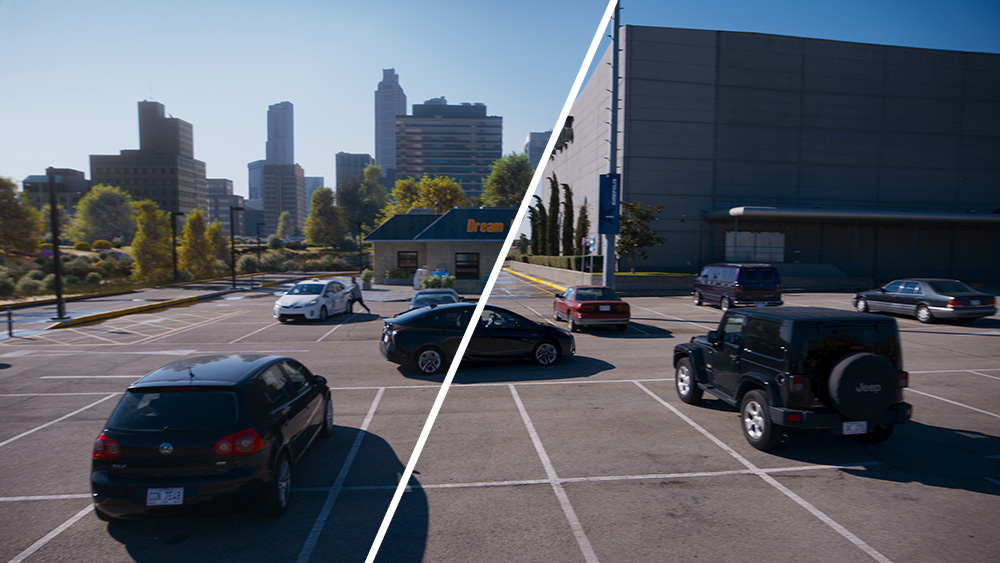
Esta irrupción, más allá de deberse a un porfolio en crecimiento y en un know-how aplicado transversalmente en cada fase del proyecto, responde al cambio de consumo provocado por la irrupción de las plataformas VOD, así como al renovado papel de la postproducción española en la industria mundial; un rol impulsado, en gran medida, por la fantástica carta de presentación brindada por empresas como The Ranchito en proyectos como Game of Thrones o, más posteriormente, The Mandalorian. Netflix, Prime Video, Disney+, Apple TV o Movistar Plus+ son solo algunos de los clientes de Twin Pines, compañía que ha trabajado en proyectos de largometrajes de la talla de La Sociedad de la nieve, As Bestas, Nowhere, The Instigators, Modelo 77, Maixabel, Mientras dure la guerra o Nowhere, and series like Respira, Lady in the Lake, Los Farad, La chica de nieve, See, Apagón, La Peste o Élite.
En esta entrevista, Nogales y M. Pacín abordan el crecimiento del VFX español desde el prisma estratégico, empresarial y tecnológico, respondiendo a algunos de sus principales desafíos, ya sean los solucionables oh go crónicos. Adicionalmente, la dupla introduce a un interesante analysis industrial en torno a la ralentización y redefinición de los proyectos, lo que anticipa una nueva fase de adaptation ante, de nuevo, un mundo de la ficción que trata de encontrar el equilibrio entre inversión, creación y retorno.
Año 2024 y la industria VFX en España
¿En los contextos de los efectos visuales actuales y más frecuentes prima la artesanía, la creatividad o la resolución de problemas?
Juanma Nogales (JN): La industria ha cambiado muchísimo. A comienzos de los 2000 había muy poca profesionalización dentro de los VFX para cine y televisión. Había que improvisar sobre la marcha. Más o menos sabías cómo se hacían, pero “tenías que ir viendo”, lo que hacía que cada proyecto fuese un reto casi a nivel personal. Por ello, cada proyecto de VFX era todo un hito, y era obligatorio “buscarte la vida” para hacerlo dentro del tiempo y del presupuesto.
Todo se va profesionalizando conforme va avanzando el cine digital. Se empezaron a estandarizar procesos de VFX y estos funcionaban para el tipo de encargos de la época; no había películas con grandes VFX o muchísimos planos de este tipo, de modo que todo era mucho más comedido. Esto cambió con la llegada de las plataformas. A partir de ahí, los procesos se estandarizaron y se profesionalizaron creo que para bien, porque antes existían lagunas en todos los aspectos.
Juanma Nogales: “Con la llegada de las platforms, the processes of VFX with estandarizaron y se profesionalizaron”.
Cuando hablo de procesos no solamente hablo de la vertiente creativa, sino de procesos de presupuesto, seguridad o seguimiento. Al final, la llegada de las plataformas aportó elementos a nivel empresarial necesarios para poder crecer y mantenerse. Con el nivel de incertidumbre que había antes, una empresa de VFX tenía muy difícil crecer.
Javier M. Pacín (JMP): Se nota muchísimo la diferente entre el nivel de producción de antes con el que tenemos ahora. Para cualquier empresa era imposible invertir para crecer con el nivel de producción que existía, ya que en algunos casos podrían darse solo un proyecto al año. Ahora tenemos un nivel continuo de producción y todo el mundo ha avanzado. Es verdad que las plataformas han exigido muchas cosas que antes no eran necesarias, lo que ha supuesto un gran cambio de esa época hasta ahora.
Twin Pines ha inaugurado nuevas instalaciones como respuesta a su crecimiento. ¿Qué tipo de necesidades provocan la necesidad de acometer estos traslados?
JMP: Por un lado, cuanta más gente tienes, más espacio necesitas, y suele ser interesante que no se distribuya en habitaciones demasiado compartimentadas para que todo el mundo pueda trabajar de forma sencilla. Pero, después, es frecuente encontrarse con que necesitas un nivel de electricidad, entre máquinas, servidores NAS y demás, que no te pueden dar unas oficinas tradicionales. Por otro lado, está la security. Es necesario contar con oficinas con control de accesos y en la que todo esté más vigilado.
La segunda y nueva etapa tras el boom de las plataformas
¿Los 60 trabajadores de Twin Pines son plantilla fija de la compañía de VFX? ¿Cuántos proyectos gestiona este equipo anualmente?
JN: Son 60 fijos. Esto nos da la posibilidad de tener a los best, a quienes damos una seguridad y una tranquilidad que mucha gente busca. A este equipo, poco a poco se van incorporando perfiles junior que van creciendo con nosotros. Es esa mezcla de ganas y juventud, y de experiencia y talento, con la que podemos sacar los proyectos.
En cuanto a los proyectos, es complicado decirlo. Todos tienen fases muy diferentes. Por ejemplo, ahora estoy localizando una serie que seguramente se rodará entre noviembre y diciembre; después, llegará la fase de rodaje y de postproducción, con lo cual el calendario se extiende muchísimo. Orientativamente, podría confirmar que ahora mismo estaremos en torno a 5 o 6 proyectos.
Juanma Nogales: “Ya no veo tanto optimismo, ni tanta curva creciente. No soy catastrófico, pero en esta second phase tras el boom de las plataformas hay un cierto cambio en cuanto a número y tipo de proyectos que se plantean”.
Tomando como referencia 2023 y teniendo en cuenta que quizá sea un año de transición postpandémica, ¿en cuantos proyectos trabajaron en total?
JN: No podría decir una cantidad de memoria, pero lo que sí recuerdo es que el sector en su totalidad ha atravesado un crecimiento. Le ha pasado a todos los jugadores del mercado local: ha habido mucha producción, mucha demanda de VFX, y hemos vivido una curva ascendente. No obstante, tras la huelga de los escritores y los actores de Estados Unidos, la cosa empieza a cambiar. Ya no veo tanto optimismo, ni tanta curva creciente. No soy catastrófico, pero en esta segunda fase tras el boom de las plataformas hay un cierto cambio en cuanto a número y tipo de proyectos que se plantean.
¿A qué tipo de proyectos se refiere? ¿Quizá más comedidos?
JN: Antes, el límite lo marcaban los guionistas. Decían: “Vamos a hacer una serie que tenga esto, lo otro y lo otro”, y más o menos a todo el mundo le cuadraba y tiraban para adelante. Ahora creo que los guionistas están haciendo lo mismo, pero hay otro filtro que dice: “Igual no hay que ir aquí o hacer esto”. Es una sensación que tengo; no te puedo decir nada concreto, pero sí que una situación que noto en el ambiente.
La industria de la producción global y los VFX desde España
¿Qué importancia tiene para una empresa como Twin Pines la creciente inversión de productoras y plataformas foráneas?
JN: The arrival of proyectos internacionales se lleva desarrollando tiempo. Hay varias empresas, sobre todo El Ranchito, que han abierto un montón de puertas y han dado una categoría a la producción de los VFX en España. Esto, unido a que hemos podido demostrar que podemos hacer nuestro trabajo y hacerlo bien, ha hecho que mucha gente se fije en las empresas de producción de VFX española. En nuestro caso, hemos hecho un trabajo de hormiguitas para trabajar con ciertos supervisores y productores e ir consolidando este tipo de trabajos.
Estamos muy contentos de trabajar el mercado internacional. Lo que pasa es que su planteamiento es muy diferente al mercado local, y no me refiero al presupuesto, sino al control del proyecto. Me da la sensación de que, mientras que en las series y películas que hacemos aquí tenemos un mayor control creativo, de procesos o de calendario, no es tanto así en las internacionales. Todos estos proyectos realmente están muy bien, tienen planos muy chulos y hay procesos que realmente nos permiten aprender nuevas cosas que aplicar al mercado local, pero creo que, para nosotros, es importante llevar un equilibro entre las dos cosas. Aunque es muy chulo trabajar con proyectos internacionales, tampoco nos volvemos muy locos y lo ponemos todo al rojo.
Javier M. Pacín: “Antes, ninguna empresa podía coger nada de fuera porque no alcanzábamos los estándares. Ahora, hay unos requisitos difíciles, pero varias empresas los cumplimos”.
Nosotros intentamos plantear los años de trabajo en torno al calendario de los proyectos. Por ejemplo, a mí me encanta trabajar con movies y desarrollarlas desde el principio, formando parte del guion, localizaciones y todas las fases de producción. Es algo que personal y empresarialmente es muy interesante e importante, ya que nos sitúa dentro del mercado. En definitiva, hay que mantener un equilibrio, pero si hay que decantarse, yo lo hago por el mercado local.
JMP: Son mundos diferentes. No es lo mismo empezar desde la preproducción y finalizar un proyecto, lo que hacemos frecuentemente en el mercado local, que lo que nos viene desde fuera. En estos casos, normalmente ya viene rodado y hay un supervisor que lo ha supervisado. También hay que poner en valor que hayamos llegado a este punto. Antes, ninguna empresa podía coger nada de fuera porque no alcanzábamos los estándares. Ahora, hay unos requisitos difíciles, pero varias empresas los cumplimos y, por eso, podemos acceder a estos encargos.
La VFX frente la obsolescencia y los nuevos modelos de trabajo
¿Cómo aborda Twin Pines la obsolescencia de las estaciones de trabajo y la gestión de las licencias de los softwares? ¿Los nuevos modelos de negocio están ayudando a responder a la variabilidad tecnológica, o continúa resultando difícil equilibrar las necesidades técnicas y la cuestión presupuestaria?
JMP: Es verdad que las suscripciones ayudan a que puedas ir renovando o cortando licencias, pero es cierto que te obliga a pagar todos los años por versiones en las que muchas veces no cambia nada o no necesitas. Por un lado, el acceso se vuelve más sencillo, ya que antes te pensabas mucho adquirir una licencia debido a su coste, pero no tengo claro de que el precio final sea mejor.
Después, en cuanto a maquinaria, la verdad es que es un no parar. Vas intentando ir renovando poco a poco, pero hay momentos de apretón en los que fichas a gente, debes tener nuevas máquinas y nuevos NAS, y es difícil contar con algo tan especializado que funcione. Luego, ya no te digo los precios, ya que algo especializado es 100 veces más caro de algo estándar. Es complicado, ya que no puedes parar de renovar para llegar a nivel que te piden.
Javier M. Pacín: “Si todos fuéramos por una línea parecida with the pipelines estaría muy bien, pero eso no ha pasado nunca y no parece que vaya a suceder ”.
¿Qué mejoras, en forma de procesos, herramientas o modelos de negocio, echan en falta en la industria?
JMP: Sobre todo, el problema es que no hay algo muy generalizado. Todo el mundo utiliza más o menos los mismos softwares, pero es verdad que al final cada empresa nos hacemos nuestro pipeline y esto es un problema: inviertes mucho dinero en personalizarlo y esto hace que sea muy difícil que sea parecido al de otra empresa, con lo cual, cuando compartes un proyecto con varias casas de VFX, los procesos se complican.
Si todos fuéramos por una línea parecida estaría muy bien, pero eso no ha pasado nunca y no parece que vaya a suceder. Siempre salen herramientas, se anima a la industria a utilizar USD, pero después nunca pasa (risas).
¿Esta problemática se resolverá por una coordinación entre las compañías de VFX o deberá proveer de los proveedores tecnológicos?
JMP: Nunca se va a solucionar. Todos los grandes avances ocurren porque una empresa grande ha tenido un problema de producción. En ese momento, esa empresa inventa algo y todos lo vamos absorbiendo poco a poco. Pero realmente no hay nadie que se haya juntado para decir: vamos a ir todos por este camino. No creo que lleguemos a tener una vía común.
Juanma Nogales: "He UHD o el 4K DCIis he standardpara nosotros. (…) La buena noticiaes que creo queya no va a subir”.
En el panorama broadcast se empieza a cuestionar la utilización del 4K para apostar definitivamente por el HDR. ¿El mundo de los VFX comparte este replanteamiento?
JN: El UHD o el 4K DCI es el standard para nosotros. Nunca van a aceptar menos, lo que se ha adoptado en el mundo de los VFX con naturalidad. La buena noticia es que creo que ya no va a subir. Fue una carrera que empezó con el HD y cada dos años había que subir a 2K o 4K. Ahora ya se ha estandarizado.
Internamente, es verdad que a veces trabajamos con planos concretos a resoluciones como 6K o 8K para necesidades concretas, pero nunca nos han pedido un render en estas resoluciones para un show completo. Y bueno, el HDR sí que ha venido para quedarse y lo hemos adoptado de manera más o menos natural.
IA: una necesidad empresarial
¿Cuál es la visión de Twin Pines sobre la irrupción de la IA en los VFX? ¿En qué procesos la están utilizando?
JN: Todo el mundo tiene una opinión con respecto a la IA. A nivel empresarial te digo que habrá que implementarla seguro, porque es algo que se va a introducir no solamente en los VFX, sino en los hospitales, en los trenes y en todos los sitios. Dicho esto, nosotros, actualmente, utilizamos la IA solamente con las propias herramientas que trae Foundry.
Hay algo que a mí me preocupa mucho a nivel empresarial y contractual: el poder incurrir en algún tipo de problema legal con algunos de nuestros clientes por haber utilizado la IA a lo loco. Realmente, creo que la cuestión de los derechos y de cómo se ha entrenado la IA es uno de los mayores problemas. A ese nivel, vamos con el freno de mano echado.
Por otro lado, personalmente estoy haciendo bastante seguimiento de las cosas que se pueden hacer. Todo va a cambiar mucho. De momento, estamos usando la IA en procesos de limpieza rápidas, como para eliminar tracks en un croma con las herramientas dentro de Nuke. Más allá de eso no, y tengo mucha incertidumbre, la verdad.
Juanma Nogales: “Hay algo que a mí me preocupa mucho a nivel empresarial y contractual: el poder incurrir en algún tipo de problema legal con algunos de nuestros clientes por haber utilizado la IA a lo loco”.
JMP: El problema es que todos los días parece una nueva aplicación de IA que hace cosas maravillosas, pero después vas a probarla y no funciona o no nos vale, ya que puede estar pensada simplemente para móviles o se desconoce de dónde ha salido, quién lo ha creado o cómo lo ha hecho. Estamos muy atentos, pero no es tan “presente” como pensamos que iba a ser.
Creíamos que iba a arrasar y, en nuestro caso, está yendo lento y estamos pudiendo utilizar muchas menos cosas de las que pensábamos en un principio que íbamos a poder utilizar. Va a llegar seguro, pero lo hará poco a poco. No es esa apisonadora que al principio parecía.
Han comentado que la IA puede ser una oportunidad empresarial. Desde el punto de vista creativo o de innovación, ¿también puede ser favorable?
JN: A nivel empresarial es importante, sobre todo, porque no te puedes quedar atrás a nivel de cliente. Si un cliente sabe que algo que se hacía en una jornada ahora lo puedes hacer en cinco minutos, te lo va a decir. Entonces, a nivel empresarial va a ser un cambio seguro.
A nivel creativo… Siempre hemos trabajado con gente con mucho talento. Estoy pensando en nuestro director de arte, al que cuando le pides un concept necesita tiempo, y quizá te devuelve lo solicitado en dos o tres días y es maravilloso. Ahora vas a una IA, se lo pides, y tienes cinco concepts en cinco segundo. A nivel creativo puede condicionar o ayudar, pero sigo pensando que el talento humano, en ese sentido, va a seguir fundamental. Puedes tener esos cinco concepts, que al final siempre habrá esa persona creativa que va a utilizar lo mejor de lo que ha bebido. Al igual que antes uno se podía desplaza a una biblioteca a hacer documentación, ahora uno se puede documentar en Internet. En ese sentido, creo que se gana efectividad, pero creo que la creatividad siempre va a estar en una persona. De hecho, diría que ese es el límite de la IA.
Optimismo y evolución frente al cambio de paradigma
¿Cómo se sienten desde Twin Pines de cara al presente de la industria de los VFX en España, en un contexto de cambio de volumen o tipología de proyectos?
JN: Yo me siento optimistic. Los VFX son una parte más del proceso de creación cinematográfica. Es verdad que ahora se está poniendo en duda todo, y el tema de la IA influirá, pero siempre va a haber un tipo de creación audiovisual en el cine y en la televisión que va a necesitar de herramientas que estén llevadas por personas creativas. Vamos a seguir siendo parte de la cadena, igual que el montaje, sonido, fotografía o guion. Siempre vas a necesitar a gente y, en ese sentido, creo que sí que va a haber un cambio. Negarlo es absurdo. Pero no va a haber una desaparición. Vamos a seguir haciendo cosas muy chulas.
¿Cuáles serán los próximos proyectos de Twin Pines, ya sean trabajos en producciones o desarrollos internos para mejorar sus flujos de trabajo?
JN: Tampoco podemos comentar mucho por cuestiones contractuales, pero también porque preferimos ser prudentes. Pero bueno, hay bastantes cositas muy llamativas. A nivel interno, también estamos desarrollando temas interesantes. Por ejemplo, siempre hemos estado rezagados en el tema de los personajes, y ahora estamos empezando a hacer pequeñas iniciativas. También desarrollaremos el tema de la IA con cautela, y seguiremos trabajando en el crecimiento controlado, que es lo que hay que tener en cuenta para seguir subsistiendo en este sector.
JMP: Estamos intentando desarrollar pipeline que se adapte a todos nuestros procesos, ya que tenemos clientes de diferentes sitios. Seguimos mejorando nuestro sistema para poder trabajar a gusto con las producciones de aquí, pero también con las de afuera, y esto nos ha ayudado a que todos nuestros procesos sean más coherentes. Estamos dedicando mucho esfuerzo a ello y creo que se notará cada vez más.
An interview by Sergio Julián Gómez
Did you like this article?
Subscribe to our NEWSLETTER and you won't miss anything.
Related articles
 RTP: on the verge of its most crucial broadcast transformation
 Densitron will inaugurate its new stage at NAB 2023
 Twin Pines and In Extremis win the Goya for best visual effects for 'Modelo 77'
 Starzplay begins a new stage as Lionsgate+
 The New Zealand Symphony Orchestra begins a new stage with Lawo solutions
 Penélope Cruz and The Mediapro Studio create Moonlyon, a new fiction and non-fiction production company
 Dick Titus will lead a new era at ETC as CEO
 RNE premieres the sound fiction 'House with two doors is bad to keep' at the Almagro Festival
 The VFX studio Twin Pines opens a new office in Madrid
 Twin Pines Takes Visual Effects to a New Level with 'Zipi and Zape and Captain's Island'
 Twin Pines updates its audiovisual infrastructure with Trigital to increase its performance
 'I+B': Factoría de Ficción premieres its first own fiction project under the branded content model
 Sgi embarks on a new stage in Spain
 Telecinco launches new image at Fiction Factory